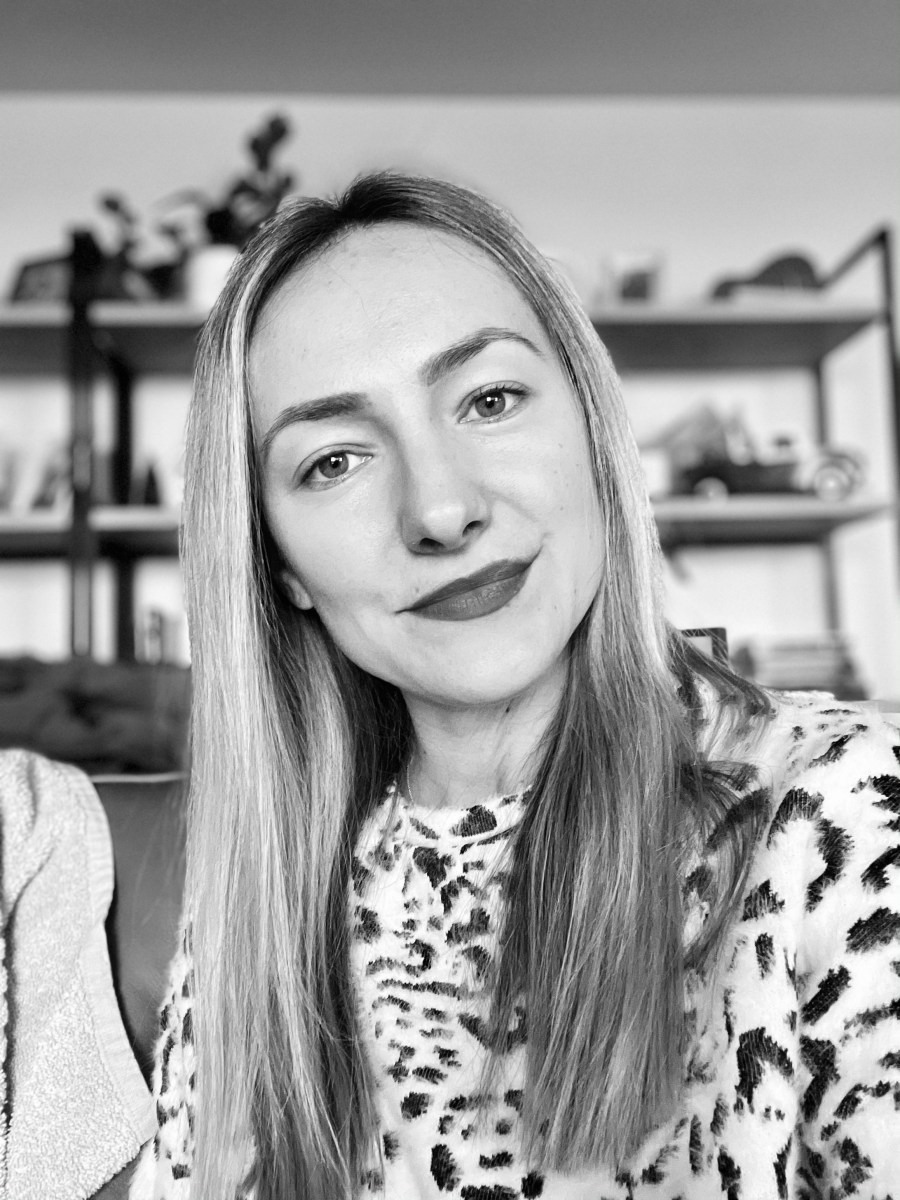
I am the kind of person who likes to have answers to all of my questions- if those I ask don’t know, I read, read, read. Of coarse I wanted to know what caused my PPD and what, if anything, I could have done to prevent it. The short answer; there really is no answer because it can happen to anyone and there isn’t one specific cause. It is a combination of emotional and physical changes after birth- a drop in hormones is one physical contributor and everyone handles this drop differently. Emotional contributors can be a combination of sleep deprivation, anxiety, change in your appearance, etc. However, there are some risk factors that are associated with it and can give an insight into why some get it and others don’t. When I first started looking over these risk factors, I felt a bit of relief because it helped me understand that some of the contributors were out of my control, so it wasn’t like I was the one who caused it. Of coarse, I KNOW I wasn’t the once who caused it NOW. But at the time of my darkest moments, I was convinced something was wrong with me and it was somehow my fault.
Some of the risk factors that applied to me are:
1. History of depression from the past (I’ve struggled with depression/low self-esteem/lack of confidence since I was a teenager on and off). I did therapy for about two years a few years before I got pregnant and I grew so much in emotional and mental strength. This is one of the reasons I struggled accepting my PPD- I was at my strongest emotionally and mentally when I got pregnancy and remained that way during pregnancy.
2. Experiencing recent stressful events- there are multiple things that can apply to this, but the one that applied to me is pregnancy complications (gestational diabetes, unplanned c-section and postpartum preeclampsia that came out of nowhere).
3. You have difficulty breast-feeding (I didn’t breastfeed at all and published a post about this recently).
4. You have a weak support system- we live in NYC, where it is naturally very difficult to have a strong support system. Life is always “go go go” for everyone and we’re all just doing the best that we can for ourselves and our friends. Because I understand the challenges of living here, asking for help from friends became difficult; I didn’t want to impose. Additionally, I didn’t always know what kind of help I needed. That’s the thing- you don’t always realize you need help exactly when you need it.
Of coarse, there are a few others, however the above 4 resonated with me. Some might not have any of the above factors and still have PPD- it’s one of those things that can happen to anyone, regardless of their background.
Over the past year, there were many moments when I thought “okay, I’m cured, I’m myself again” just to have a bad day immediately after, which would take away hope that I could ever get better. It felt frustrating and like I was a mouse on a wheel, with no hope of getting off. In June, I was speaking with a doctor at an appointment and I shared with him that I was in therapy for PPD. He asked me how old my son was and when I told him his age (past one), he looked at me and said “Yelena, it’s no longer postpartum depression…it’s just depression.” This was like a kick in my gut- a confirmation that I was now part of the statistic of “what happens when you wait too long before seeking treatment for PPD.” One of the lasting affects is long term depression. This jolted me and made me dedicate myself that much more to my treatment- no matter how difficult it was. This meant I had to truly face all sides of me; including the ugly sides that were getting used to the depression and anxiety; I couldn’t remember who I was before it and it now felt like a familiar friend. My “freedom” from depression didn’t come overnight or easily at all, in fact, from that day, things got uglier, but the difference was I was starting to recognize my feelings as they happened, which meant I was able to start recognizing the triggers of those feelings and ways to stop them. This summer, I spend a lot of my therapy sessions discussing the disconnect between my mind and what I KNEW versus what I felt and my inability to connect the two. I KNEW my feelings were out of control during my bad days, I KNEW my reality was not 100% accurate, but I struggled with putting that knowledge into action. It wasn’t until early fall that I started to notice I was bridging the gap between the two. That bridge is what eventually lead to healing and freedom from depression.
Am I 100% in the clear? No. I don’t think any of us are. We all have some sort of baggage from the past that rears it’s ugly head and breaks us down from time to tine (I will go into this more in future posts). But I am 100% committed to being honest with myself and my therapist about my feelings and thoughts. Yes, I still speak with my therapist. Not regularly, but about once a month. She said often times people start therapy when their house is on fire, which is great- a fire needs to be extinguished. But it’s important to continue with therapy even after the fact to keep the fire from ever getting out of control again.
If you’re “house” is burning- I urge you to seek help immediately. I know how frustrating finding help can be- but it is 100% worth it and your future depends on it.
 a simple city life